
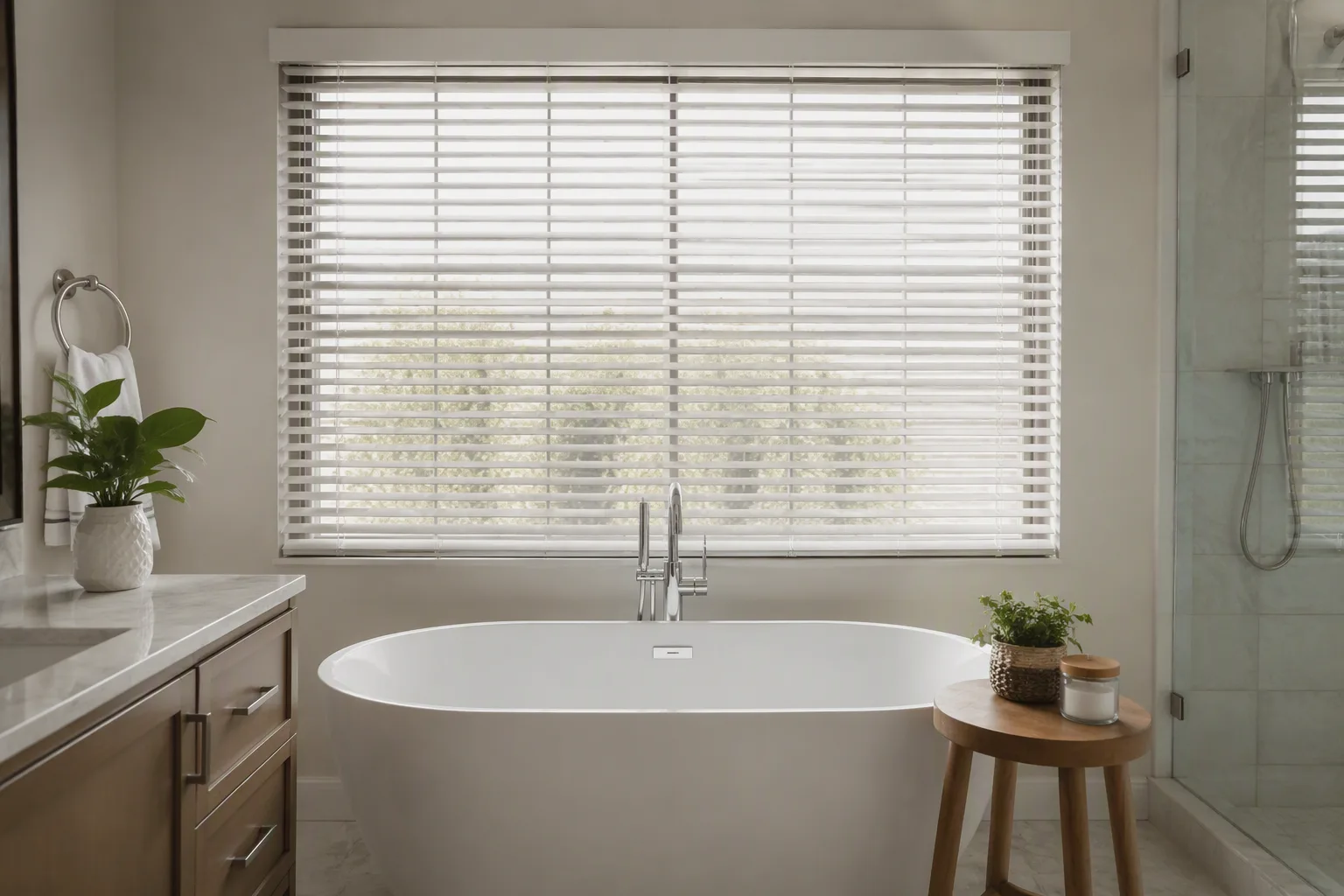

Custom blinds cost is driven by five things: the material and fabric you choose, the size and number of your windows, how the blinds operate (cord, cordless or motorized), any special shapes or features, and whether measuring and installation are done professionally. The word “custom” itself isn’t what makes a blind expensive; the choices you make for each window are. Once you know which of those choices matter most in each room, it becomes much easier to get blinds that look right and last without overspending.
Why There’s No Single Answer to “How Much Do Custom Blinds Cost?”
Every home is a different combination of windows. A condo with a wall of floor-to-ceiling glass, a family home with a dozen standard bedroom windows and a patio door, and an older house with a bay window and an arch all end up with very different quotes, even if the same product is chosen throughout. That’s why any average you find online is at best a rough guide and, at worst, misleading for your specific home.
What you can know in advance is which factors push a quote up and which keep it down. The sections below walk through them in order of how much they usually matter.
1. Material and Fabric: The Biggest Lever
The product type is the single largest factor in custom blinds cost. Simple slat blinds in vinyl or aluminum sit at the budget end. Fabric roller blinds come next, followed by dual-layer zebra blinds, honeycomb (cellular) shades and sheer silhouette shadings, which use more complex fabrics and construction.
Within each product, the fabric matters too. A basic light filtering fabric usually costs less than a heavier blackout fabric, a textured weave or a premium finish. If you like a product but not the quote, asking to see a simpler fabric in the same style is often the easiest way to bring the number down without changing the look much.
- Budget end: vinyl and aluminum slat blinds, basic roller blinds
- Middle: roller blinds in upgraded fabrics, zebra blinds, vertical blinds for large openings
- Upper end: honeycomb shades, silhouette shadings, premium fabrics and anything motorized
If you’re deciding between blackout and light filtering fabric, our blackout vs. light filtering cost comparison explains when the heavier fabric is worth it.
2. Window Size and Window Count
Size matters more than most people expect. A single wide window or patio door uses a lot more fabric, a longer and sturdier headrail and heavier hardware than a standard bedroom window. One very large opening can end up costing more than several ordinary windows combined.
Window count adds up the same way. It’s common for homeowners to think about the “main” windows and forget the basement, the stairwell, the powder room and the small window over the kitchen sink. Walking through the house and listing every window before asking for a quote gives you a far more realistic picture.
3. How the Blinds Operate
Operation type is the next big factor. As a general rule, cost goes up in this order:
- Manual with a cord or chain: the simplest mechanism
- Cordless: a cleaner look and safer around children and pets
- Motorized: the largest step up, because of the motor, power source and controls
Motorized blinds can be run from an app, a remote, a schedule or a voice assistant, and motors can be wired, battery or solar powered. They make the most sense for windows that are hard to reach, very large, or opened and closed several times a day. You don’t have to motorize every window; many homeowners motorize just the living room or a tall stairwell window. Learn more on our motorized blinds page.
4. Special Shapes, Mounts and Add-Ons
Arched tops, angled windows and bay windows need extra measuring and, in some cases, specially made shades, which adds to the price. Features such as a cassette or valance to hide the roller, top-down/bottom-up operation or fabric matched across several windows in one room also add a little each time.
None of these are bad choices. They just need to be decided on purpose rather than added by default. Ask which add-ons make a real difference for a given window and which are purely cosmetic.
5. Measuring and Installation
Measuring is the one place we never recommend cutting corners. A modest blind that’s measured and made correctly will look and work better than an expensive one that doesn’t fit the frame, with side gaps, a crooked bottom rail or a mechanism that binds. Window frames, especially in older homes, are rarely perfectly square, and a single measurement often misses that.
At Convenient Blinds, in-home measurement is free and installation is done by certified technicians, so the cost of getting the fit right is built into the quote rather than added as a surprise. If you’re planning to install yourself, our guide on getting measurements right for DIY shades covers the details.
Where to Spend and Where to Save
The best way to get value from a custom blinds budget is to spend where it matters and save where it doesn’t. Mixing products across the house is completely normal and often looks more intentional than one product everywhere.
- Spend on: the rooms you see and use most (living room, kitchen, primary bedroom), bedrooms that need real darkness, large or sun-exposed windows, and cordless operation in any room with young kids or pets.
- Save on: spare rooms, basements, laundry rooms, closets and windows that are rarely opened or looked at.
- Phase it: if the whole house isn’t in the budget right now, do the main living spaces first and match the rest later.
For low-use rooms, our guide to affordable vinyl and aluminum blinds explains which budget options hold up and which don’t.
Custom vs. Off-the-Shelf: Is Custom Worth the Cost?
Ready-made blinds cost less up front, but they only come in set sizes. That usually means cutting them down, accepting light gaps at the sides, or mounting them outside the frame when an inside mount would look better. Custom blinds are made to your exact measurements, so they fit cleanly, operate smoothly and tend to last longer because the mechanism isn’t strained by a poor fit.
For standard windows in low-use rooms, off-the-shelf can be fine. For the rooms you care about, oddly sized windows and anything large, custom is usually better value over the life of the blind.
Frequently Asked Questions
How much do custom blinds cost for a whole house?
It depends on how many windows you have, their sizes, the products and fabrics you choose and whether any are motorized. Two homes with the same number of windows can have very different quotes. The most reliable way to find out is an in-home measurement and a quote based on your actual windows.
What is the cheapest type of custom blind?
Vinyl slat blinds and basic roller blinds are usually at the most affordable end. Aluminum slats are a step up in durability for sunny windows. Simple fabrics and manual or cordless operation also keep costs down.
Why are motorized blinds more expensive?
Each motorized blind needs a motor, a power source (wired, battery or solar) and a control system, plus careful setup. The extra convenience is worth it for hard-to-reach or frequently used windows, but not every window needs it.
Are there hidden costs with custom blinds?
There shouldn’t be. Ask whether measuring, installation and any hardware are included before you commit. We give an itemized, honest quote with no hidden fees, so you know exactly what you’re paying for.
Get an Honest Quote for Your Windows
The quickest way to understand your own custom blinds cost is to have your windows measured. Browse our window blinds and shades to see which styles you like, then request a free quote. We’ll measure at no charge, suggest where to spend and where to save room by room, and give you real numbers for your home in Mississauga, Toronto or anywhere in the GTA.