
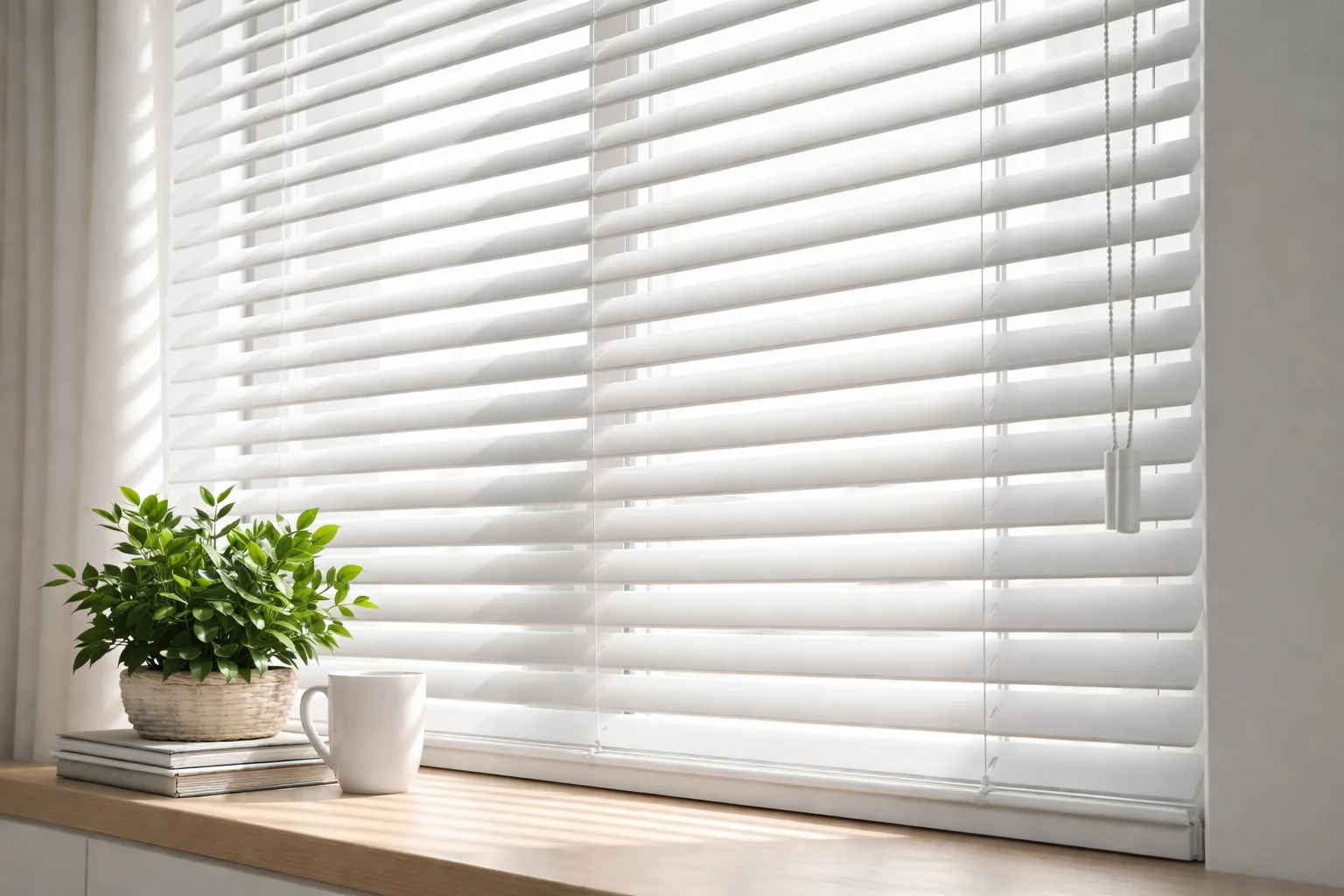

When silhouette shades are not closing, the cause is usually one of four things: something caught between the sheer layers, the shade not being fully lowered before you tilt, a slipped or worn vane-rotation mechanism in the headrail, or a lift system (cordless spring or motor) that has lost its settings. The first two you can fix in minutes. The last two need a careful check, and forcing the shade almost always makes them worse.
Quick Answer: What to Check First
- Lower the shade all the way. On most silhouette-style shades the vanes only rotate once the shade is fully down.
- Look for a snag. Run your hand gently down the front sheer to find a folded vane edge or debris caught between the layers.
- Check the vanes are all facing the same way. One vane flipped the wrong direction can stop the others from closing flat.
- Operate it slowly and evenly. Use the wand, cord or bottom rail as intended, without pulling from one corner.
- For motorized shades, check power and limits. Charge or replace the batteries and confirm the open and closed positions haven’t been lost.
- Stop if you feel resistance. A shade that fights back usually has a mechanical fault inside the headrail.
How Silhouette Shades Close (and Why It Matters)
A silhouette shade (also called a sheer shade or sheer shading) has soft fabric vanes suspended between two layers of sheer fabric. Lowering the shade unrolls the fabric from a tube in the headrail; once it’s fully down, continuing to turn the control rotates that tube a little further, which pulls the two sheers in opposite directions and tilts the vanes closed.
That’s why “not closing” can mean two different problems. Either the shade won’t come all the way down, or it comes down but the vanes won’t tilt shut. Working out which one you have narrows the cause quickly.
Silhouette Shade Vanes Not Closing
The shade isn’t quite fully lowered
This is the most common “fault” and it isn’t a fault at all. If the bottom rail stops a little short, the tube hasn’t reached the point where rotation starts, so the vanes stay open. Lower it fully, then keep turning the control (or press close on the remote) and the vanes should tilt.
A vane is folded or flipped
If one vane has creased or turned the wrong way, often after cleaning or after something brushed against the shade, it can stop the vanes around it from lying flat. With the shade fully lowered and the vanes open, gently ease the vane back into line with its neighbours. Don’t pull on the sheer fabric itself; it creases easily.
Something is caught between the layers
Insects, dust and small debris can work their way between the front and back sheers, especially near kitchens and windows that open. A hair dryer on the cool setting blown between the vanes, or a vacuum brush held just off the fabric, usually clears it. Our guide to cleaning sheer shades without damaging the vanes walks through this safely.
The rotation mechanism has slipped or worn
If the shade is fully down, nothing is caught, and the vanes still won’t close (or close on one side but not the other), the problem is likely inside the headrail. The internal linkage that rotates the vanes can slip, bind or wear over time. This isn’t a DIY repair: the parts aren’t reachable without partly taking the headrail apart, and forcing the control can damage the fabric where it attaches to the tube.
Silhouette Shade Won’t Go Down or Stops Partway
If the shade itself won’t lower fully, look at the lift system rather than the vanes.
- Cordless shades rely on an internal spring. If the shade creeps back up, won’t stay down or stops partway, the spring tension may have drifted. Lower it slowly with even pressure on the centre of the bottom rail; if it still won’t cooperate, don’t keep pushing against it.
- Corded or wand-operated shades can stop if the cord has jumped its track or the clutch is worn. A cord that slips or spins without moving the shade usually points to the clutch.
- Motorized shades most often stop short because of weak batteries or lost upper and lower limits. Follow the reset steps in your system’s instructions, and see our checklist for what to check when motorized blinds act up.
Uneven Vanes or a Shade That Hangs Crooked
A shade that closes on one side but stays open on the other, or a bottom rail that hangs at an angle, usually means the fabric is rolling unevenly on the tube. This can happen if the shade is regularly pulled from one corner, or if the brackets have shifted slightly. Check that the headrail is sitting level and securely in both brackets.
If the fabric has rolled off-centre, lowering and raising the shade slowly a few times sometimes lets it track back into place. If it keeps drifting to one side, the fabric may have stretched or the tube may need adjusting, which is a job for a technician.
Does Humidity Affect Silhouette Shades?
Humid summer weather and steamy rooms can make fabric relax slightly, so a shade may feel a little different in July than in January. That on its own shouldn’t stop the shade from closing. What does cause trouble is moisture: condensation running down the glass in winter or regular splashes near a sink can mark the sheers and stiffen the vanes. Keep the bottom rail clear of wet glass and let the room ventilate.
What Not to Do
- Don’t force the wand, cord or bottom rail past the point of resistance.
- Don’t pull the sheer fabric to “help” the vanes close.
- Don’t take the headrail apart or remove the fabric from the tube.
- Don’t spray lubricant into the headrail; it can stain the fabric.
Repair or Replace?
A snag, a flipped vane or a motor that needs its limits reset are quick fixes. A worn rotation mechanism or a tired spring can often be repaired, but on an older shade with creased, faded or yellowed sheers, replacing it with a new made-to-measure shade is often the better long-term value. If you’re also dealing with a cellular shade that won’t close, the causes are different; see honeycomb blinds won’t close: common fixes.
Frequently Asked Questions
Why won’t my silhouette shade vanes open?
Most often the shade isn’t fully lowered, a vane is caught or flipped, or debris is trapped between the sheers. If all of those check out, the vane-rotation mechanism in the headrail has likely slipped or worn and needs professional attention.
Why do my silhouette shades close on one side only?
The fabric is usually rolling unevenly on the tube, or the headrail isn’t sitting level in its brackets. Check the brackets first. If the fabric keeps drifting, it needs adjusting by a technician.
Can I fix a silhouette shade myself?
You can safely clear snags, straighten a flipped vane, check brackets and reset a motorized shade by following its instructions. Anything involving the inside of the headrail, the spring or the fabric attachment is better left to a professional.
How do I reset a motorized silhouette shade?
The reset steps depend on the motor system, so follow the instructions supplied with your shade. Start by charging or replacing the batteries, since low power is the most common reason a motorized shade stops short or won’t tilt.
Need a Replacement Silhouette Shade?
If your shade is past repairing, have a look at our custom silhouette blinds, made to measure in light-filtering and room-darkening fabrics, with cordless and motorized options. We offer free in-home measurement and professional installation across the GTA; request a free quote to get started.